
While I was putting together the Money Personality series I stumbled upon a variant of the compulsive spender…The Hoarder. As I dug a little deeper I realized that hoarders are not always the person living in the woods with a hundred dogs; but for the most part are everyday people who constitute 3% of the population. Very often they really are the person next door.
 The money aspect plays into this because one spouse may start out buying bargains and then the bargains begin to overwhelm the house and the family finances. A good example is the outward appearing power couple of a lawyer and a department manager. They live in an upscale neighborhood but rarely invite people over. They operate this way because the house is full of clutter and the wife says she frequently cannot find things from plates to pillows and so she constantly has to go out and buy new ones which add to the existing clutter. This constant replacement costs them dollars they can no longer afford but the clutter just keeps growing and the other spouse simply adjusts to the behavior despite the consequences.
Let’s be clear about this, hoarders are not collectors because collectors are proud of their possessions and frequently discuss or show them off. The hoarder carries a degree of embarrassment regarding their possessions. They purchase things with the idea of finding a use for them but later feel embarrassed that they have the item. That is part of the reason they don’t like to invite others over or always want to meet at another location.
Fear is the foundation
Overall wha t drives the hoarder is fear. In a good number of situations there has been deprivation and hoarding is their response to the struggles of that time. Or put another way: Think Scarlet O’Hara in ‘Gone With the Wind’ when she says “As God is my witness I will never be hungry again.”
If not deprivation, then there is some trauma such as the end of a relationship that has created a sense of loss that the hoarder is constantly trying to replace. The collecting of things acts almost like comfort food that seems to fill them for the moment and then the desire returns.
Types of Hoarding Behavior
The Emotional Saver
This type of behavior occurs when the person attaches some type of emotional or sentimental value to an item. One woman said she could not throw away a box of napkins because she bought them during a trip to Disney World which was a happy time in her life.
The Instrumental Saver
Basically the person is reluctant to throw away an item because in their mind it can be used some time in the future. They may have held on to the item for years and never used it but kept it “just in case” something comes up in the future. As a consequence their homes are loaded with tools, pencils, fans, and all kinds of mismatched items.
The Appreciation Saver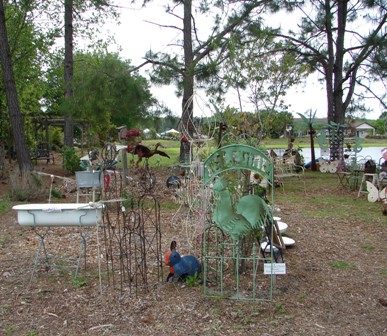
Generally this saver is fascinated by a particular item and may like the color or texture and collect these items based on some aesthetic value. You may have seen pictures of a man in the Midwest who likes to collect old cars and bury them partially in the ground. He has acres of them, and someone got the bright idea to charge admission.
Overall it is important to recognize the particular saving pattern of the hoarder. Once the pattern is determined one can then begin to understand their motivation and slowly help them rework their behavior.
I saw the program Oprah did and omg, I learned that hoarding comes from a deeper issue.. One woman admitted she started hoarding because her child had moved away and needed to fill that void… so sad… Is hoarding considered a type of addiction? because it seems that it involves the family pretty much so like drug/alcohol does.
Chrissy,
Yes, there is generally a deeper meaning to hoarding. Hoarding while not a diagnosis, is generally associated with Obsessive Compulsive Disorder. However, it differs from OCD in that OCD revolves around obsessive thoughts, compulsive actions, and continual doubts which to a great extent the hoarder does not have. So you see it is not an addiction but it does involve the entire family because, as mentioned in the article, often the other family members are forced to adjust to the hoarding behavior. Very often as well law enforcement and for children, Family Services, become involved due to the health situation.
I plan to do a second section on actions to take so by all means check back.